Safety Resources & Compliance Guidance
Practical advice on selecting, fitting and maintaining PPE
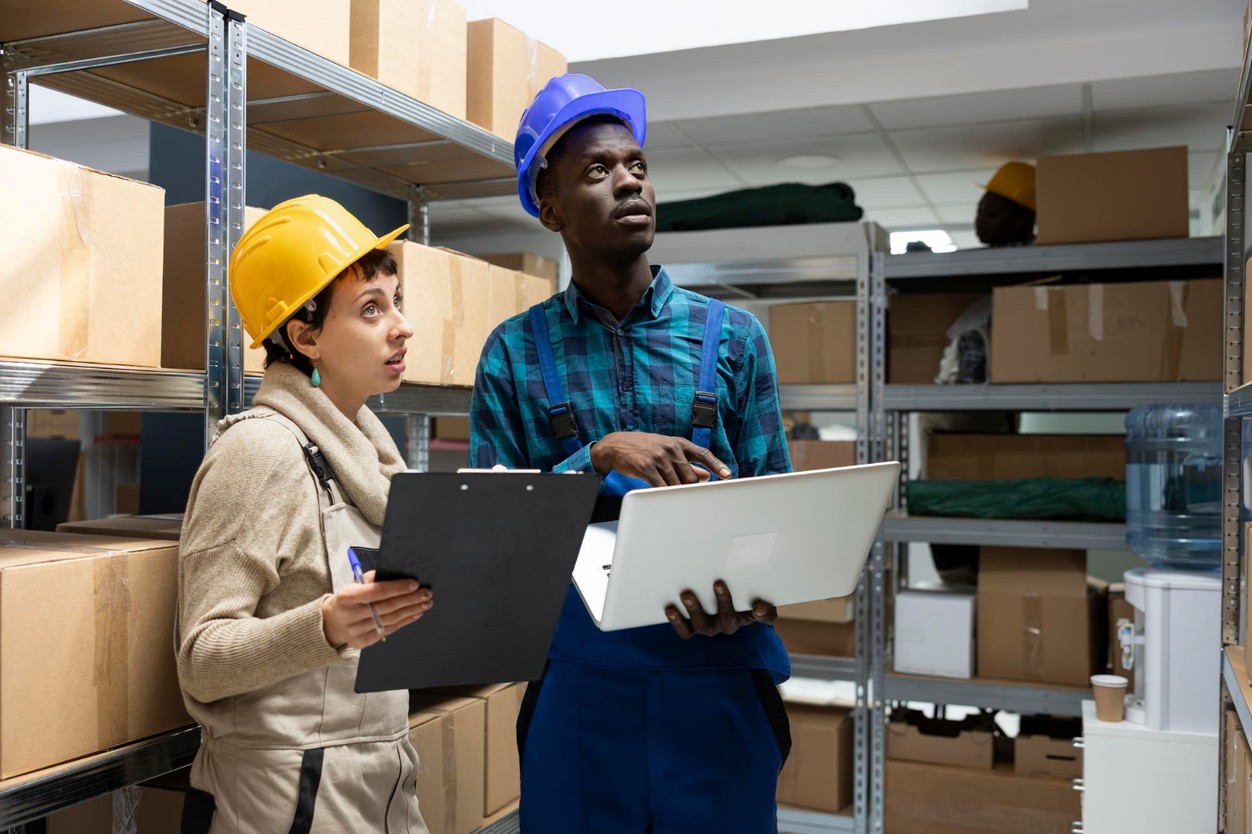
Good PPE only protects your team if it's the right equipment, correctly fitted, and replaced before it wears out. This page covers the questions we're asked most often by safety officers and site managers — from replacement schedules to matching gloves and respirators to specific hazards. If you can't find what you need here, get in touch and we'll answer directly, or point you to the relevant SANS standard.
How often should hard hats be replaced?
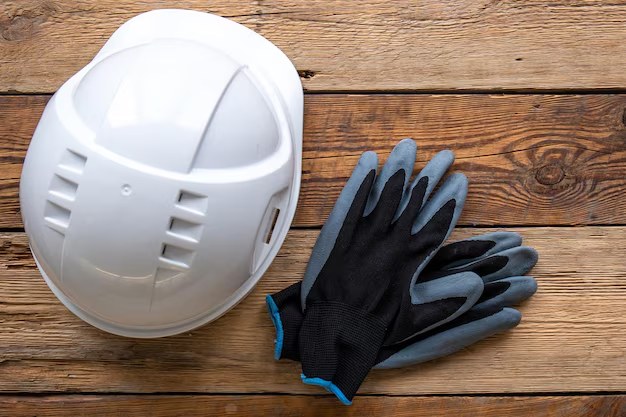
Most manufacturers recommend replacing a hard hat shell every two to five years from the date of manufacture, even without visible damage, since UV exposure and general wear degrade the plastic over time. The suspension (the inner harness) should typically be replaced more often, around every twelve months in high-use environments. Any helmet that's taken a direct impact should be replaced immediately, regardless of age.
Choosing the right glove for the task
There's no single "safety glove" — the right choice depends on the hazard. Cut-resistant gloves suit sheet metal, glass and blade work. Chemical-resistant gloves are rated by material (nitrile, neoprene, PVC) against specific solvents and acids, so it's worth checking the chemical compatibility chart before ordering in bulk. General-purpose gloves are fine for handling, lifting and light abrasion, but shouldn't be relied on for chemical or high cut-risk tasks. If you're unsure, tell us what the task involves and we'll match you to the correct glove class.
Respirator fit-testing basics
A respirator that doesn't seal properly against the face offers little real protection, regardless of its filter rating. Facial hair, incorrect sizing and worn straps are the most common causes of a poor seal. We recommend a basic fit-check every time a respirator is put on, and a formal fit-test when a worker is issued a new respirator model or after significant weight change. Disposable dust masks should be treated as single-use; reusable respirators need their filters replaced on the schedule set out by the manufacturer.